10 Small Office Upgrades That Can Improve Focus and Efficiency
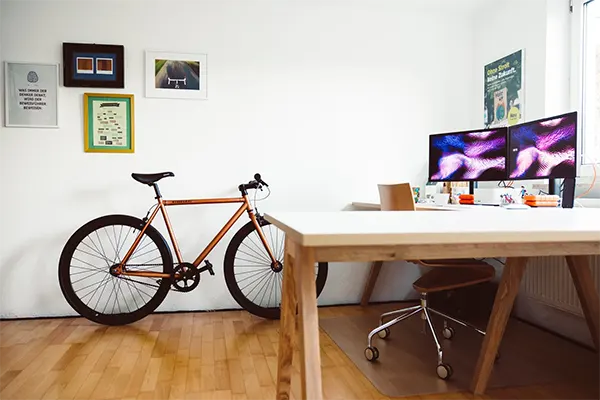
In a productive workspace, whether you work in accounting, finance, or any detail-oriented profession, the environment around your desk has a real impact on concentration, efficiency, and overall workflow. Professionals who spend hours reviewing Dspreadsheets, preparing reports, or analyzing financial data need a workspace that supports clarity and focus rather than distractions.
Fortunately, improving a home office or small workspace only requires small upgrades that can make daily work smoother and help create an environment where focus comes naturally. From lighting adjustments to better organization, thoughtful changes can help transform a workspace into a place that encourages productivity.
Below are 10 practical office upgrades to help professionals work more efficiently and stay focused throughout the day.
1. Improve Lighting for Better Concentration
Lighting is one of the most overlooked factors in workspace productivity. Poor lighting can cause eye strain, fatigue, and headaches, which reduce focus over time. For professionals who spend much of the day working on screens or reviewing documents, proper lighting is essential.
Natural light is ideal whenever possible. Placing a desk near a window allows daylight to brighten the workspace and reduce reliance on overhead lighting. When natural light is limited, a well-positioned desk lamp with soft, balanced brightness can make a noticeable difference.
Adjustable lamps are particularly useful because they allow you to direct light exactly where it’s needed. This is helpful when reviewing printed reports or detailed financial documents that require careful attention.
2. Introduce Visual Motivation in the Workspace
A workspace that feels sterile or uninspiring can make long hours feel even longer. Visual elements can create a more engaging environment and provide subtle reminders of goals and motivation.
Motivational artwork is one way you can personalize your workspace without adding clutter. Offices, home desks, and study areas often benefit from visual cues that reinforce persistence and focus.
If you are looking for curated collections, consider options available at https://thegoatwallart.com/ for motivational artwork commonly used in offices, gyms, and study spaces. The goal isn’t decoration alone, but creating a workspace that feels purposeful.
3. Upgrade Your Desk Organization System
Clutter often leads to distraction. When papers, cables, and office supplies accumulate on a desk, it becomes harder to maintain focus on the task at hand. A simple organization system can solve this problem. Desk trays, drawer organizers, and cable management clips help keep essential items within reach without creating visual chaos.
For accounting professionals who manage invoices, receipts, and paperwork, categorized folders or labeled trays can save time when searching for documents. A tidy desk also makes it easier to begin work each day without feeling overwhelmed by clutter.
4. Invest in an Ergonomic Chair
Long hours at a desk can take a toll on the body. Discomfort from poor seating often leads to frequent distractions as people shift position or take breaks to relieve strain.
An ergonomic chair designed with lumbar support and adjustable height helps maintain proper posture throughout the workday. When the body is comfortable, it becomes easier to stay focused on complex tasks.
Look for chairs that support natural spinal alignment and allow armrests to adjust to desk height. Even a modest upgrade in seating can significantly improve daily work comfort.
5. Use a Second Monitor for Workflow Efficiency
Many professionals rely on multiple applications at once. Accountants often switch between spreadsheets, accounting software, email, and documentation throughout the day. Constantly toggling between windows slows down workflow.
Adding a second monitor creates a more efficient workspace. One screen can display a spreadsheet, while another can hold supporting documents or financial software. This setup reduces the need to minimize and reopen windows repeatedly.
A dual-monitor setup also improves accuracy. With more information visible at once, professionals can cross-check numbers or review reports more easily.
6. Add Plants to Reduce Visual Fatigue
A small plant can introduce balance to a workspace dominated by screens and office equipment. Greenery adds a natural element that softens the visual intensity of digital environments.
Low-maintenance plants such as snake plants or pothos work well in offices because they require minimal care. They can sit comfortably on a desk corner or nearby shelf without taking up valuable workspace.
Even a small plant can make a workspace feel calmer and more inviting, which helps reduce mental fatigue during long work sessions.
7. Improve Cable Management
Few things make a workspace look more chaotic than tangled cables. Chargers, monitor cables, and power cords can easily become disorganized, especially when multiple devices are in use.
Cable management sleeves, clips, or desk-mounted organizers help keep cords tidy and out of sight. This small upgrade improves the appearance of a workspace and prevents cables from interfering with daily tasks.
A clean cable setup also makes it easier to move devices or adjust equipment without creating a mess.
8. Create a Dedicated Note-Taking Area
Even in a digital workspace, handwritten notes remain useful. Accountants and finance professionals often jot down reminders, calculations, or task lists during the day.
Creating a dedicated note-taking area helps keep these quick notes organized. A small notebook, notepad stand, or whiteboard placed near the desk can serve this purpose.
Having a specific place for notes prevents papers from piling up across the desk and keeps important reminders visible.
9. Optimize Desk Layout for Efficiency
Desk layout plays a larger role in productivity than many people realize. Items that you use frequently should be within arm’s reach, while less-used equipment can be placed farther away.
For example, calculators, notebooks, and reference materials should remain easily accessible for accounting tasks, while printers or storage boxes can sit on nearby shelves or side tables.
The goal is to minimize unnecessary movement while working. A well-arranged desk supports a smoother workflow throughout the day.
10. Upgrade Your Background for Video Meetings
Remote work has made video meetings a regular part of many professionals’ schedules. A clean and thoughtful background can improve the overall impression during calls with clients or colleagues.
A neutral wall, organized bookshelf, or framed artwork can create a professional backdrop without appearing staged. Some professionals incorporate motivational artwork from The GOAT Wall Art to add visual interest while maintaining a polished environment.
Even a small adjustment to the background can make virtual meetings feel more professional and focused.
Conclusion
A productive workspace doesn’t require major renovations or expensive equipment. Small improvements, when chosen thoughtfully, can create a noticeable difference in focus and efficiency. Better lighting, improved organization, ergonomic seating, and streamlined desk layouts support a more comfortable work environment.
For professionals in accounting and finance, where accuracy and concentration matter, these small changes can help reduce distractions and support long hours of detailed work. By gradually upgrading the workspace with practical adjustments, it becomes easier to maintain focus and approach each task with clarity.

Finance Writer
- 1. Improve Lighting for Better Concentration
- 2. Introduce Visual Motivation in the Workspace
- 3. Upgrade Your Desk Organization System
- 4. Invest in an Ergonomic Chair
- 5. Use a Second Monitor for Workflow Efficiency
- 6. Add Plants to Reduce Visual Fatigue
- 7. Improve Cable Management
- 8. Create a Dedicated Note-Taking Area
- 9. Optimize Desk Layout for Efficiency
- 10. Upgrade Your Background for Video Meetings
- Conclusion