Ans: Increased spam calls may be due to a company using your data to offer assistance, or it may be that a scammer bought that information for their malpractices.
Updated Mar 18, 2026
Why Am I Getting Tax Debt Relief Calls? Let’s Find Out

Have you been getting a lot of tax debt relief calls? Or have you recently started to get them, and you aren’t sure why?
Furthermore, you may have been asking yourself, “ Why am I getting tax debt relief calls?” The sudden increase in these types of calls, genuine or not, might be worth looking into.
This guide explores the reasons why a person receives these calls, along with the solutions to stop them from interfering with your work. Read on for better assistance with these annoying calls
Key Takeaways
- The reason why you might be receiving tax debt relief calls
- Signs that a call might be an elaborate scam
- How to avoid such scam calls
- Contacting the authorities and taking necessary actions
Why Am I Getting Tax Debt Relief Calls?
Tax debt relief calls aren’t always scams. Sometimes, a company may simply have your data, and they may want to see if they can offer their assistance.
Companies can get this information from public records (if you have a tax lien) or from data brokers who sell your information. In fact, brokers may be able to sell your search data, so if you frequent tax debt relief websites, this may be why you’re getting more calls.
Unfortunately, scammers also obtain your information the same way and may even use that information to steal your money or identity.
For this reason, tax debt relief calls can end up being dangerous if you’re unprepared for them.
Signs That a Tax Debt Relief Call Is a Scam
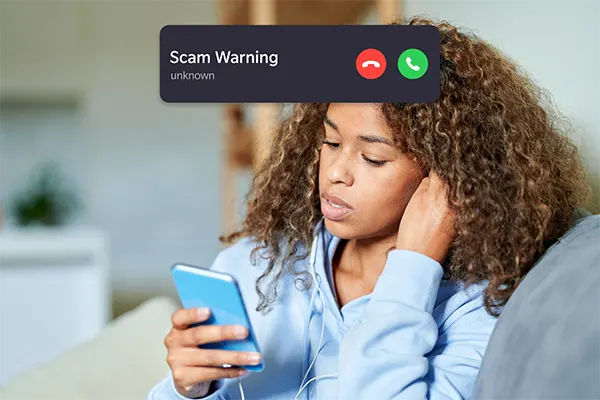
One of the major concerns with a tax debt relief call is that the call is malicious or some type of scam. The good news is that there are usually a handful of signs that the call is a scam, and we cover them in detail below.
A Sense of Urgency
If the caller creates a sense of urgency during the call, there’s a chance that it’s a scam. Sure, sometimes a tax debt situation may be urgent, but nobody should be threatening to arrest or harm you if you don’t pay your tax debt.
Be sure to remember that legitimate businesses and companies usually help you walk through the issue and provide assistance for a quick resolution.
Demanding Funds
When someone calls you about tax debt relief, and they ask for payment immediately, it’s a red flag. In fact, you should only be paying the IRS through their website or through checks via the mail.
You shouldn’t be paying anyone else, especially if they’re asking for payment via gift cards or other strange methods, like wire transfers.
Note
Never provide your social security number, financial details, or personal information to unsolicited callers, as this may lead to personal data theft.
Fake Business Names
There are many genuine tax debt relief businesses out there, and if someone calls you suggesting tax debt relief services, they should be calling from a legitimate company, not a personal number.
You should be able to look up this company online and learn more about it. If the name sounds official but there’s no trace of it anywhere, it’s a sign that you’re dealing with a scam.
How to Avoid Tax Debt Relief Call Scams
Avoiding tax debt relief scams is essential. Even if you have tax debt and want help, the last thing you need is more debt that’s created by paying a scam company. Fortunately, we have some tips that can help you avoid this unfortunate situation.
Use a Reverse Phone Lookup Tool
The best way to avoid a tax debt relief scam is to leverage a reverse phone lookup tool. When it comes to the best option, we always recommend UnMask’s reverse phone search tool.
Just input the number into the tool and verify if a caller is who they claim to be and if their company is legitimate. It can also help you identify other phone numbers to block that are associated with the company.
Contact the Internal Revenue Service (IRS)
The IRS will have a record on file if you have an outstanding tax debt. In fact, you’ll probably have a few letters from them. If you contact the IRS and they don’t have anything on record, there’s a good chance that the caller may be a scam caller.
Hang Up and Block the Caller
If you’re receiving a lot of tax debt relief calls, even if they’re legitimate, it’s a good idea to block the caller.

Why Am I Getting Tax Debt Relief Calls? Our Final Thoughts
If you’ve been asking yourself, “Why am I getting tax debt relief calls?” We hope that this guide was helpful.
As long as you’re prepared for scams and avoid going to tax debt relief websites, you shouldn’t have any issues. Simply block numbers, hang up, and check with the IRS to make sure you don’t have any liens or outstanding tax debt.
If you do plan to work with a tax debt relief firm, make sure you use a tool like UnMask to verify that the company is legitimate before you give them any information.
Author - Shourya Kumar

Finance Writer
Related Posts