Setting Up a Trading Account Without Exposing Yourself to Hacks
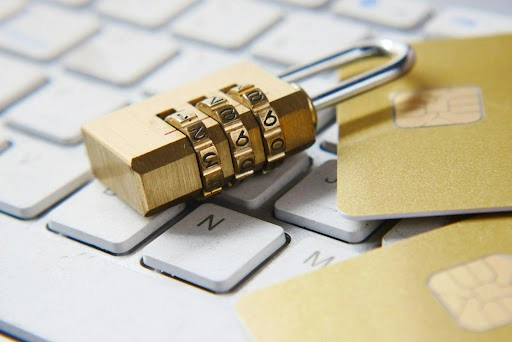
Securing a trading account begins long before the first deposit is made into a digital wallet. The digital environment is filled with sophisticated actors who target vulnerabilities in hardware, software, and human behavior. Establishing a rigorous security protocol is the only reliable method to prevent unauthorized access to financial resources.
A secure account environment allows for the safe management of idle assets without constant fear of theft. Utilizing features like CoinEx Flexible Savings enables users to earn interest on their holdings while maintaining the ability to withdraw funds at any time. This specific tool offers a balance between asset growth and liquidity within a protected exchange framework.
Securing the Entry Point
The email address associated with a trading account serves as the primary gateway for hackers. Using a primary personal or work email increases the risk of exposure through unrelated data breaches. A dedicated, encrypted email service used exclusively for financial accounts provides an essential layer of isolation.
The following hardware-based security measures offer the highest level of protection against remote attacks:
- Purchase a dedicated physical security key for universal second-factor authentication.
- Use a clean device that is never used for general web browsing or social media.
- Disable all automatic cloud backups for sensitive applications or screenshots.
Authentication Protocols
Two-factor authentication is mandatory, but not all methods provide equal security levels. Short Message Service (SMS) authentication is highly vulnerable to “SIM swapping” attacks where a hacker takes control of a phone number. Software-based authenticators or physical keys are the standard for professional-grade security.
Implementing strong authentication habits prevents the most common forms of account takeover:
- Avoid using the same password for multiple financial platforms or email accounts.
- Generate complex passwords using a reputable, offline password management tool. For teams managing multiple accounts, a password manager for enterprises helps securely store and control access to sensitive credentials.
- Enable withdrawal whitelisting to restrict fund movements to verified addresses.
- Activate anti-phishing codes to verify that exchange emails are legitimate.
Network Integrity
Public wireless networks are notorious for “man-in-the-middle” attacks where data is intercepted in real time. Trading should only occur on a private, encrypted connection or through a trusted virtual private network (VPN). Ensuring that home routers have updated firmware and unique administrative credentials further hardens the network.
Maintaining a clean digital perimeter requires constant vigilance against evolving malware:
- Install high-quality antivirus software and perform weekly full-system scans.
- Keep the operating system and all browser extensions updated to the latest versions.
- Review the list of authorized devices on your trading account regularly.
Device Management
Dedicated hardware for trading prevents cross-contamination from malicious downloads on other platforms. Many successful investors use a separate tablet or laptop that contains zero third-party software beyond the trading application. This “air-gapped” approach, even if partial, significantly reduces the attack surface.
Physical access to devices must also be restricted to prevent local tampering or theft. Encrypting the hard drive of the trading device ensures that data remains unreadable even if the hardware is stolen. Biometric locks provide an additional hurdle for unauthorized users attempting to access the local environment.
Protecting Sensitive Information
Recovery phrases and private keys must never be stored in a digital format, including “hidden” folders or emails. Physical storage in a fireproof and waterproof safe remains the most effective way to protect these credentials. Sharing any part of a recovery seed with a third party is the most common cause of total fund loss.
Proper information management involves several layers of physical and digital secrecy:
- Write down recovery seeds on metal plates to prevent destruction by fire or water.
- Store backup copies of recovery phrases in separate, secure geographic locations.
- Never type a recovery seed into a website or share it with “customer support.”
- Use a screen shield when trading in public to prevent visual hacking.
Operational Security Habits
Hacker techniques often rely on social engineering to trick users into revealing sensitive data. Legitimate exchanges will never ask for a password or a two-factor authentication code over the phone or through a direct message. Maintaining a low profile on social media regarding financial holdings reduces the likelihood of becoming a targeted individual.
Verifying the authenticity of the trading platform every time you log in is a vital habit. Always check the URL for subtle misspellings that indicate a phishing site designed to harvest credentials. Saving the official exchange address as a bookmark helps prevent accidental clicks on fraudulent sponsored search results.
Long-Term Account Safety
Security is a continuous process rather than a one-time configuration. Periodic audits of account activity and security settings ensure that no unauthorized changes have occurred. Updating passwords and reviewing API permissions at least once every quarter maintains a high level of defense against persistent threats.
Developing a disciplined routine around account access is the most effective way to mitigate risk. Prioritizing safety over convenience protects the fruits of successful trading and ensures peace of mind in a volatile market. Consistent application of these protocols creates a robust barrier that deters the vast majority of digital attackers.

Finance Writer