The three types of repair include the following: emergency repairs, routine maintenance and capital repairs or major overhauls.
Updated Mar 25, 2026
3 Simple Ways to Slash Costly Repairs
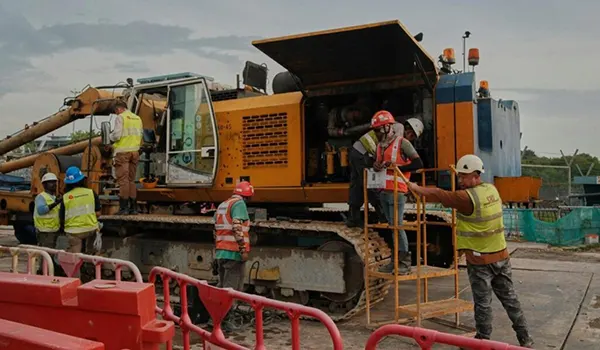
Maintaining a small business takes a lot more than is visible; it requires keeping a constant eye on capital, labour, and especially the machinery installed.
Unexpected equipment failures can quickly deplete your hard-earned money. While not all of it is unavoidable, you can prevent costly repairs.
Read on to discover how these straightforward strategies can save your business thousands in unnecessary professional fees.
Key Takeaways
- Reducing overhead by sourcing high-quality aftermarket components to avoid the unnecessary price premiums associated with original equipment manufacturers.
- Lowering long-term maintenance expenses by 12% to 18% through the consistent application of proactive and predictive servicing strategies.
- Minimise professional labour costs by performing accessible repairs in-house using digital manuals and specialised tools for common mechanical tasks.
- Maximising equipment uptime means using free technical resources and maintaining a strict schedule for preventive inspections to catch failures early.
1. Stop Overpaying for Replacement Parts
Of all the variables that drive up equipment maintenance expenses, parts pricing is the one most operators accept without question.
That passive acceptance is an expensive habit. A persistent assumption in the construction industry is that original equipment manufacturer parts are inherently superior.
Many assume the manufacturer’s name on the packaging guarantees better materials and longer service life. In practice, that assumption rarely holds up under scrutiny.
OEM parts are engineered to a specific set of tolerances.
Reputable aftermarket manufacturers work with those same specifications, engineering components to meet or exceed original performance standards.
The stark difference in pricing usually does not reflect a difference in engineering quality.
Instead, it reflects brand premiums, multi-tier distributor markups, and supply chain structures designed to protect dealership revenue.
These alternatives offer substantially lower acquisition costs. Marketing, rather than engineering, often manufactures the quality gap that many operators fear.
How Much Can You Actually Save?
While numbers vary by equipment type and part category, the financial impact is significant.
A hydraulic seal kit sourced through a dealership parts counter carries a vastly different price tag than the same specification kit sourced through a specialised aftermarket supplier.
Often, operators can see savings when dealing with direct suppliers. Over a full maintenance year, those savings accumulate.
A fleet manager who operates multiple machines through regular maintenance cycles can recapture budget and reinvest it directly into equipment upgrades or business growth.
Finding Reliable Aftermarket Suppliers
Not all aftermarket suppliers are equal, so the key is distinguishing between vendors who compete solely on price versus those prioritising quality.
When evaluating a supplier, use these specific criteria to protect your machinery:
- Demonstrated technical expertise with hands-on servicing experience.
- Fit guarantees and clear return policies to ensure part compatibility.
- Warranty coverage on replacement cylinders and major components.
- Shipping reliability with same-day capability to minimise downtime.
- Broad catalogue coverage to ensure your specific configuration is in stock.
By prioritising these standards, you can confidently source high-quality components, such as HW Part Store’s John Deere aftermarket parts, to ensure your equipment remains performance-ready without the OEM price tag.
Key Insight: Marketing, not engineering, often creates the quality gap between OEM and aftermarket parts. Sourcing from reputable aftermarket suppliers can deliver up to 85 per cent savings without sacrificing performance.
2. Utilize Free Digital Maintenance Manuals
Parts cost is only one side of the equation. Technical knowledge is the other, and it remains one of the most underutilised cost-saving assets available to equipment operators today.
Preventive Maintenance Is the Cheapest Repair
A worn seal caught during a scheduled inspection costs a kit and a brief period of labour. That same failure costs exponentially more in cascading repairs if left unchecked until it scores a cylinder rod or contaminates hydraulic fluid.
Preventive maintenance can be defined as actions performed on a time- or machine-run schedule to detect or mitigate component degradation.
The primary aim is sustaining or extending useful life by controlling degradation to an acceptable level.
Maintaining a service history log for each machine allows patterns to emerge over time. This highlights specific components that require attention before catastrophic failure occurs.
Research suggests that implementing proactive strategies can reduce costs by an average of 12% to 18%.
Additionally, data shows that shifting from standard preventive care to a dedicated predictive maintenance model can generate an extra 8% to 12% in savings.
Find Reliable Maintenance Guidance
The barrier to preventive maintenance knowledge has never been lower. High-quality guidance is readily available across several free digital channels.
- OEM operator manuals provide essential references for service intervals and fluid requirements.
- Parts suppliers often publish instructional content drawn from real-world servicing experience.
- Video walkthroughs offer visual clarity for technique-heavy tasks like hydraulic cylinder disassembly.
- Operator forums host experienced mechanics who share field-tested tips and part substitution knowledge.
Warning/Important: Never ignore minor equipment leaks. A worn seal caught during routine inspection is an inexpensive fix, but ignoring it until it contaminates hydraulic fluid leads to exponentially pricier, cascading repairs.
3. Manage Accessible Repairs In-House
Labour is typically the highest variable cost in equipment repair. It is also the area where operators have the most control, particularly for mechanical tasks that do not require proprietary dealership diagnostic software.
Which Repairs Are DIY-Friendly?
Not every repair belongs in an owner-operator’s hands. Structural frame repairs and complex pump rebuilds typically warrant professional intervention.
However, a meaningful range of maintenance tasks is highly accessible.
- Replacement of hydraulic cylinder seal kits fixes slow drifts using standard techniques.
- O-ring replacements prevent small seeps from becoming significant hydraulic leaks.
- Visual line inspections catch cracked or chafed hoses before they burst.
- Routine fluid checks and filter changes drastically extend the component’s life without specialised equipment.
What You Need Before You Start
Successful in-house repairs depend heavily on preparation. Before disconnecting a hydraulic line, operators must verify they have the correct replacement part matched to their specific model configuration.
Specialised cylinder tools, such as spanner wrenches and seal drivers, are necessary to prevent damage to seating surfaces.
A cylinder seal replacement handled by a dealership involves premium part pricing plus steep labour rates.
The same repair handled in-house with an aftermarket seal kit and the right tools involves only the cost of the kit and time. Mobile mechanics can ensure efficient job completion by maintaining a supply of spec-matched kits.
Pro Tip: Before disconnecting any hydraulic lines, verify you have the exact model-matched replacement parts and specialised tools, like spanner wrenches, on hand. Proper preparation prevents extended DIY downtime.
Your Next Steps
Smarter sourcing, accessible knowledge, and capable in-house repairs reinforce each other. Deliberate choices in these areas compound into meaningful annual savings.
To implement this approach effectively, it would be beneficial to take action as soon as possible.
- Price your next replacement part by searching a speciality aftermarket catalogue for your specific model number.
- Download the digital service manual for your most heavily used equipment from a trusted technical resource.
- Identify an upcoming scheduled repair that your team can realistically handle in-house.
- Set a strict calendar reminder for your next preventive inspection so equipment is evaluated early.
The operators, who manage machine costs most effectively, make deliberate choices about parts procurement, technical education, and labour allocation.
Getting equipment back to work faster and more affordably eliminates operational waste.
Author Profile: HW Part Store is the leading online retailer of aftermarket hydraulic cylinder seal kits, replacement parts, and attachments for a wide range of industrial construction equipment.
The Bottom Line
Making smart decisions at the right time is what builds the success of a business.
This is why implementing these key steps may appear small but they can save large amounts of money spent iof machine reapirs which can be utilised for other activities.
Therefore,if yopu want your business and machine to work well make your you repair and update them time to time.
Author - Dushyant K

Finance Writer
Related Posts