Updated Jan 9, 2026

Best Crypto Custody Providers – AComprehensive Guide With Comparison

In the world of digital assets, security and compliance are no longer optional—they are fundamental to sustainable operations. For institutions managing substantial cryptocurrency holdings, safeguarding assets is a critical operational priority. 

Choosing the right custody provider ensures that funds remain protected from theft, loss, or mismanagement while providing the regulatory compliance and operational support institutions require. 

In this guide, we explore what crypto custody is, why it matters for institutions, key features of reliable institutional crypto custody providers, and a detailed look at the best institutional crypto custody solutions 2025.

What is Crypto Custody?

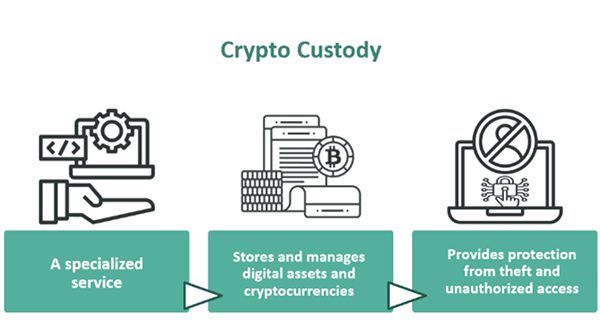
Crypto custody refers to the secure storage and management of digital assets by a specialized service provider. Rather than an investor holding private keys themselves, cryptocurrency custody providers handle the safeguarding, transaction authorization, and often regulatory reporting of crypto assets on behalf of their clients. 

These services are particularly important for institutional clients, who require both high security and compliance with regulatory frameworks.

Providers use a combination of technical and operational safeguards, including cold storage (offline wallets), multi-signature wallets, multi-party computation (MPC), hardware security modules (HSMs), and insurance against loss or theft. Custody services can be fully managed or offer partial control to clients, depending on their needs. 

Beyond security, many custody providers offer operational support such as transaction processing, auditing, and integration with trading platforms.

Why is Crypto Custody Essential for Institutions?

Institutions face unique challenges when holding cryptocurrency. Unlike fiat, digital assets are irreversible, decentralized, and vulnerable to cyberattacks. A lost private key or a security breach can lead to irretrievable losses. For organizations managing client funds or high-value treasuries, this risk is unacceptable.

Institutional custody addresses these challenges by providing:

  • Security: Multi-layered protection through cold storage, multi-signature wallets, and advanced encryption.
  • Compliance: Alignment with local and international regulations, including audits and reporting.
  • Operational Efficiency: Streamlined transaction processing, access controls, and integrations with trading or treasury systems.
  • Insurance: Protection against loss or theft to reduce financial risk.

Without professional custody, institutions would need to maintain in-house security teams, hardware, software, and operational processes at high cost. Using a qualified custodian allows institutions to focus on strategy, trading, and asset management while mitigating operational and compliance risk.

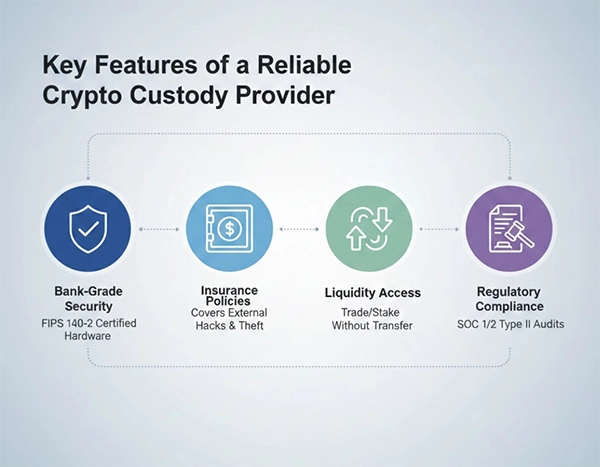
Key Features of a Reliable Crypto Custody Provider

When evaluating custody services, institutions should consider the following features:

  • Security Protocols: Cold storage, multi-signature authorization, multi-party computation (MPC), and hardware security modules (HSMs).
  • Regulatory Compliance: Licenses, audits, and adherence to local and international regulatory standards.
  • Insurance Coverage: Protection against theft, loss, or operational errors.
  • Asset Support: Ability to store a broad range of cryptocurrencies and tokens.
  • Operational Integration: APIs and workflows compatible with trading platforms, treasury management systems, and institutional reporting tools.
  • Transparency: Clear policies, audit logs, and client reporting for accountability.
  • Scalability: Ability to manage large portfolios with multiple users or accounts.

How to Choose the Right Crypto Custody Provider

Choosing the right custody provider requires careful evaluation of both technical and operational capabilities. Key factors include:

  • Security Measures: Examine encryption, storage methods, multi-signature or MPC wallet usage, and disaster recovery protocols.
  • Regulatory Standing: Ensure the provider meets jurisdictional requirements, has proper licenses, and undergoes regular audits.
  • Insurance Policies: Check what type of insurance coverage is provided and its limits.
  • Asset Coverage: Confirm that the provider supports the assets your institution plans to hold.
  • Operational Flexibility: Consider integration with trading, treasury, or reporting systems.
  • Reputation and Track Record: Review client testimonials, public history, and third-party assessments.
  • Cost Structure: Understand fees for storage, transactions, and additional services.

Best Institutional Crypto Custody Solutions in 2025 

Let’s pay attention to the list of the most popular and credited institutional crypto custodians.

WhiteBIT Institutional Crypto Custody Solutions

WhiteBIT has recently introduced institutional crypto custody solutions designed to integrate seamlessly with its trading and OTC services. The platform reportedly offers cold storage, granular access controls, compliance-ready infrastructure, and rapid onboarding for institutional clients.

 By combining custody and trading under one roof, WhiteBIT provides operational efficiency for funds, trading desks, and corporate treasuries. Key advantages include secure storage of major cryptocurrencies, streamlined asset management workflows, and regulatory-aligned procedures. This combination of custody and trading integration is particularly useful for institutions seeking consolidated infrastructure for both security and execution.

BitGo

BitGo is a veteran in institutional crypto custody, providing secure storage, multi-signature wallets, insurance coverage, and compliance-ready services. BitGo supports hundreds of cryptocurrencies, making it a versatile solution for diversified portfolios. 

Its focus on security, operational reliability, and regulatory compliance has made it a standard choice for funds, exchanges, and large-scale institutional clients. BitGo also offers API integrations for trading and treasury management.

Coinbase Custody

Coinbase Custody offers institutional-grade custody with cold storage, multi-signature security, and insurance. Its services include comprehensive regulatory compliance and audit-ready reporting. Integrated with Coinbase Prime trading services, Coinbase Custody provides seamless access to liquidity and execution while maintaining high-security standards. This solution is suited for institutions seeking trusted custodial support alongside trading integration.

Anchorage Digital

Anchorage Digital is a federally chartered crypto bank, providing institutional cryptocurrency custody with bank-grade security and regulatory oversight. It offers cold storage, staking, governance participation, and compliance-ready architecture. Anchorage appeals to institutions seeking both custody and active operational support. Its regulated status gives confidence to institutions concerned with US regulatory requirements.

Fireblocks

Fireblocks uses multi-party computation (MPC) technology to secure private keys while enabling integration with trading desks, DeFi protocols, and treasury management systems. The platform supports a wide range of digital assets and is suited for institutions requiring flexible, secure custody with operational efficiency. Fireblocks also provides insurance coverage and enterprise-level audit logs.

Gemini Custody

Gemini Custody is a trust-company-regulated custodian offering cold storage, multi-signature wallets, and insured vault services. It emphasizes compliance and transparency, making it a preferred choice for institutions seeking conservative and well-audited custody solutions. Gemini’s regulatory clarity provides added confidence for risk-averse organizations.

Ledger Enterprise

Ledger Enterprise extends Ledger’s hardware wallet expertise to institutional clients, offering on-premises and hybrid custody solutions. It combines self-custody control with enterprise-grade security and audit tools. Ledger Enterprise is suitable for organizations prioritizing hands-on control over private keys while adhering to internal compliance requirements.

Zodia Custody

Zodia Custody bridges traditional finance and crypto, offering bank-backed, regulated custody solutions. It focuses on institutional-grade compliance, risk governance, and integration with existing financial infrastructure. Zodia is ideal for institutions seeking a banking-aligned custodian with international regulatory coverage.

Copper

Copper provides secure, insured custody with MPC wallet technology and integrated trading support. It offers extensive token coverage and enterprise-level operational tools. Copper’s platform enables institutions to combine custody, settlement, and liquidity management efficiently.

Kingdom Trust

Kingdom Trust offers institutional crypto custody combined with traditional asset custody services. The platform provides cold storage, insurance, and regulatory compliance. Kingdom Trust is particularly attractive for funds and institutions managing diversified portfolios across crypto and traditional assets.

Short Comparison of Best Crypto Custody Solutions

Custody ProviderSecurityComplianceAsset CoverageOperational IntegrationKey Advantage
WhiteBITCold storage, access controlsCompliance-readyMajor cryptocurrenciesIntegrated with trading/OTCCustody + trading under one roof
BitGoMulti-signature, cold storageRegulatory compliant100+ coinsAPI for trading/treasuryLong track record, flexible asset support
Coinbase CustodyCold storage, multi-sigAudit-readyMajor cryptocurrenciesCoinbase Prime integrationCompliance + liquidity access
Anchorage DigitalCold storage, staking supportFederally charteredMajor coins, governance tokensAPIs for institutional workflowsBank-grade regulatory oversight
FireblocksMPC walletsCompliance-readyWide rangeTrading, DeFi, treasury integrationSecurity + operational flexibility
Gemini CustodyCold storage, multi-sigTrust company regulatedMajor cryptocurrenciesLimited APIConservative, audited custody
Ledger EnterpriseHardware-based securitySelf-managedBroadOn-premises/hybridSelf-custody control with enterprise tools
Zodia CustodyBank-backed, regulatedGlobal complianceMajor cryptocurrenciesIntegration with traditional financeBanking-aligned institutional custody
CopperMPC walletsCompliance-readyWide rangeSettlement + tradingCustody + liquidity management
Kingdom TrustCold storage, multi-sigRegulatory compliantCrypto + traditional assetsLimited APIDiversified asset custody

Conclusion

Choosing the right crypto custody provider is fundamental for institutional crypto operations. The best companies for crypto custody solutions offer a balance of security, regulatory compliance, insurance coverage, operational integration, and asset support. Providers like WhiteBIT institutional crypto custody solutions provide the benefit of integrated custody and trading infrastructure, while established custodians such as BitGo, Coinbase Custody, Anchorage, and Fireblocks deliver proven security, compliance, and operational tools.

Institutions should carefully assess their priorities—security, compliance, asset coverage, operational efficiency, and integration with trading or treasury workflows—before selecting a custodian. By following best practices for institutional crypto custody and choosing a qualified provider, organizations can mitigate operational risks, ensure regulatory adherence, and protect client and institutional assets effectively.

Frequently Asked Questions
What’s the difference between self-custody and third-party custody?

Self-custody involves holding and managing private keys yourself, giving you full control but also full responsibility for security. Third-party custody delegates security, storage, and often operational support to a professional custodian.

Who needs a crypto custodian?

Institutions, investment funds, exchanges, high-net-worth investors, and corporate treasuries that manage significant digital assets typically require professional custody services to ensure security, compliance, and operational efficiency.

What are the main risks of crypto custody?

Risks include security breaches, operational errors, loss of access due to mismanagement, regulatory non-compliance, and reliance on the custodian’s operational procedures. Selecting a qualified, regulated, and insured custodian mitigates these risks.

Who Are Qualified Crypto Custodians?

Qualified custodians provide institutional-grade security, regulatory compliance, insurance coverage, operational transparency, and integration with trading or treasury systems. They maintain a proven track record, are regulated in relevant jurisdictions, and follow best practices for institutional crypto custody.


Author - Dushyant K
Dushyant K

Finance Writer

Related Posts