Understanding Gold Price Dynamics: Key Factors That Drive Market Movements
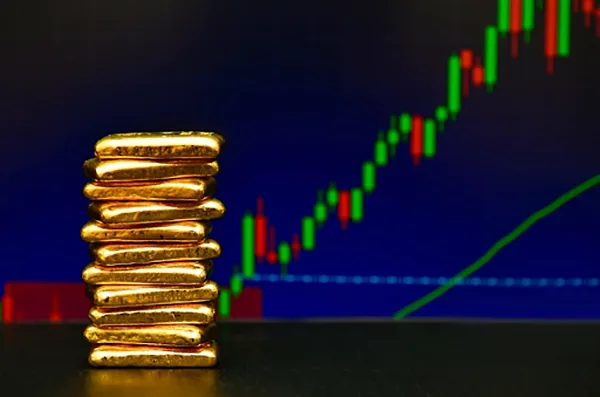
Gold has long served as a barometer for global unease, and in 2025, it’s flashing warning signs brighter than ever. Spot prices hit $4,201 per ounce on December 9, up over 55% from last year, shattering records amid a cocktail of economic headwinds and policy shifts. This isn’t just another bull run; it’s a structural shift, with central banks hoarding bars like never before and investors piling into ETFs for a hedge against everything from tariffs to tech bubbles.
What makes gold tick in this environment? At its core, the metal thrives on uncertainty – when stocks wobble and currencies falter, gold steps in as the quiet guardian of value. From my vantage as a macro analyst who’s tracked precious metals through crypto winters and rate-hike frenzies, the drivers boil down to a handful of interconnected forces. Understanding them isn’t just academic; it’s essential for anyone eyeing positions in XAU/USD or physical holdings. Let’s unpack the big ones shaping the gold price right now.
The Impact of Interest Rates and Monetary Policy
Interest rates act like gravity for gold: higher yields pull capital toward bonds, leaving the non-yielding metal in the dust; lower rates flip the script, making gold’s stability shine. The Federal Reserve’s pivot to cuts – 125 basis points expected through 2025 – has been rocket fuel, easing the opportunity cost of holding bullion and sparking a fresh wave of inflows.
Central banks are the unsung heroes here, diversifying reserves away from the USD amid sanctions fears and debasement worries. China’s holdings swelled to 74.12 million ounces in November alone, the 13th straight monthly gain, while Russia, India, and Turkey followed suit. This isn’t panic buying; it’s strategic rebalancing, with purchases averaging 710 tonnes quarterly. As Fed Chair Powell hints at more easing to combat sticky inflation, gold’s allure grows – remember how the 2020 cuts ignited a 25% rally? History rhymes, but 2025’s scale feels bigger.
Take a look at how recent policy moves correlate with price action:
| Date | Fed Action | Gold Price Reaction (Next Week) | Key Context |
| March 2025 | 50 bps cut | +8.2% ($3,450 to $3,732) | Post-tariff fears, USD weakness |
| July 2025 | 25 bps cut | +4.1% ($3,850 to $4,008) | Geopolitical spike, ETF surge |
| November 2025 | Hold, but dovish signals | +6.5% ($3,980 to $4,240) | Pre-FOMC jitters, CB buying |
| December 2025 (proj.) | 25 bps cut expected | +3-5% anticipated | JOLTS data softens, inflation at 2.8% |
These snapshots show policy as a multiplier, not the sole driver. When rates dip, gold doesn’t just rise; it accelerates on the back of other tailwinds.
Geopolitical Tensions and Safe-Haven Demand
Nothing sends gold soaring like the drumbeat of global conflict. In 2025, escalations in Ukraine and the Middle East have kept the Geopolitical Risk Index elevated, pushing investors toward the metal’s embrace. Picture this: as drone strikes intensify and trade tariffs loom under new U.S. policies, capital flees equities for the ageless safety of gold. It’s no coincidence prices jumped 16% in Q3 alone, coinciding with peak tensions.
Safe-haven flows aren’t abstract; they’re measurable. ETF inflows doubled to 552 tonnes in Q1, the highest since 2022, as high-net-worth folks sought refuge from stock volatility. Even in calmer spells, like post-ceasefire rumors, gold holds gains better than bonds, acting as a portfolio ballast. I’ve seen this play out in real time – during the April 2025 Middle East flare-up, XAU/USD spiked $150 in a day, shrugging off a brief USD rebound. Geopolitics doesn’t just drive prices; it creates the volatility that savvy traders exploit.
Inflation, Dollar Dynamics, and Supply Factors
Inflation remains gold’s old flame, drawing it close when fiat currencies lose luster. With U.S. CPI hovering at 2.8% despite cuts – fueled by supply-chain snarls and energy shocks – the metal’s role as a hedge shines. Prices have climbed 38% year-to-date, outpacing inflation by miles, as investors bet on persistent pressures from tariffs and wage growth.
The USD’s woes amplify this. A 7% weakening in 2025, per DXY index drops, makes dollar-denominated gold cheaper for foreign buyers, especially in Asia where physical demand surged 9% in value terms. Central bank hoarding tightens supply further; recycling hit 344 tonnes in Q3, up 6% but barely denting the deficit from mine output lags. Add ETF buying from China and India, and you’ve got a squeeze: demand up 3% quarterly to 1,313 tonnes, the highest on record. It’s a virtuous cycle – higher prices curb jewelry volumes (down 10% y/y), funneling more to investment bars.
This interplay explains why gold defies “higher for longer” rate narratives. When the dollar stumbles and inflation ticks up, supply constraints turn modest demand into explosive rallies.
Technical and Market Sentiment Influences
Beyond fundamentals, gold’s momentum is self-fulfilling. After 50 all-time highs in 2025, technicals scream bullish: ascending channels on daily charts, with support at $4,000 and targets eyeing $4,400 by year-end. RSI divergences at key levels, like the Q4 pullback to $3,945, signal reversals that trap shorts and lure longs.
Sentiment seals the deal. Retail frenzy via apps and social buzz has poured billions into gold funds, while institutions eye it as AI-stock bubble insurance. Bar and coin demand topped 300 tonnes for four straight quarters, a psychological floor that keeps floors firm. In choppy markets, this crowd psychology overrides noise – think how November’s 6.5% pop followed dovish Fed whispers, amplified by viral “gold to $5,000” posts. Technicals provide the map, but human fear and greed draw the lines.
Conclusion
Gold’s 2025 odyssey – from $2,700 starts to $4,200 peaks – underscores its timeless appeal: a mosaic of rates, risks, inflation, and sentiment weaving together to propel prices higher. Central bank voracity and geopolitical shadows dominate, but don’t sleep on the dollar’s slide or ETF momentum; they’re the threads binding it all. As forecasts eye $4,000+ mid-2026, the metal looks less like a relic and more like essential ballast in turbulent times.For traders and allocators, the lesson is clear: monitor these drivers weekly, as even brief lulls can flip to surges. Start by tracking the live gold price on reliable platforms – it’s your first line of defense in spotting the next move. In a world of policy wildcards, gold isn’t just surviving; it’s thriving. Position accordingly, and let the dynamics do the heavy lifting.
For investors looking to track or acquire physical gold alongside market movements, platforms like Gold Standard Auctions provide real-time pricing insights and transparent access to bullion, with Gold Standard Auctions bridging the gap between spot prices and physical ownership

Finance Writer