At least once a month. Weekly checks help to catch issues early.
Updated Dec 16, 2025
Why Regular Maintenance Helps Keep Your Business Finances Healthy

In a picturesque Texas neighborhood, a professional HVAC technician is diligently servicing a central air conditioning unit outside a well-maintained suburban home, with the scene illuminated by warm sunlight that highlights the lush greenery and clear blue sky, evoking a sense of reliability, community, and improved air quality through a color palette of blue, green, and white that symbolizes trust, quality, and cleanliness.
“More than 8 out of every 10 small startups and businesses fail – not for the reason they lack good sales, profits or customers, but because they run out of cash”.
It’s surprising that even successful companies collapse for not managing their money smartly – and mostly don’t. Here is a quick fact to firm your understanding –
“About 82% of the small business failures are connected to poor cash flow management, not the lack of demand or bad product”. (Source – Income Mash)
In reality, regular financial checkups are the maintenance that keeps your business running at optimal performance, avoids breakdowns and saves considerable money over time.
It’s like optimizing your car engine (business) and ensuring it works well for a long time – by changing the oil, checking brakes or inspecting the tires.
Continue reading this article to discover how business maintenance keeps your business finances healthy and on track to prevent small issues from turning into bigger problems.
How Small Financial Issues Turn Into Bigger Problems
Small financial missteps are like the small cracks in a dam – you don’t consider them as dangerous until they widen under pressure and create big issues. A few late invoices might feel manageable now, but a continuous pattern of late payments can interrupt your cash flow and force you to borrow at high interest.
Cash flow issues are the major cause for small business failures because businesses run out of money even when they are profitable on paper. When expenses become more than income, you might need to dip into savings to cover basic bills.
Regular financial maintenance is necessary to prevent small issues from snowballing into crises.
What Regular Financial Checkups Look Like
Consider a financial checkup as a checkup for Quality Cooling Heating & Plumbing – reviews several vital signs. Here are its essentials –
- Cash Flow Review – Tracking the money coming in and going out helps to forecast future cash needs.
- Profit and Loss Statement – Shares whether you’re truly making money or not and which stream is the strongest source of money.
- Balance Sheet – For a snapshot of what you own versus what you owe – assets.
- Budget Comparison – Compare your actual spending against your actual budget.
Either you do them monthly, quarterly or yearly – but consistency is the key. Financial issues are very common, which makes it necessary to be considered. PYMNTS say the same.
Industry insights
“Around 60% of the small businesses struggle with managing cash flow effectively, according to industry research – making it a major challenge for growing companies.
How Ongoing Maintenance Saves Time and Money
Even a small, ignored financial mistake can turn into a huge loss deal. It’s better to consider proper maintenance at the right time to save both money and time. Here are some ways that help you achieve both–
- Prevents Costly Repairs – Reviewing your financials regularly allows you to spot abnormal expense spikes – you can either control them or fix them.
- Reduces Borrowing Costs – Knowing early helps you to plan short term financing often at considerable prices. Last minute hustle ends up with higher interest on unfavourable terms.
- Smooth Tax and Compliance – Maintaining records whole year makes tax filing easy and helps to avoid penalties for late or incomplete filing.
- Better Decisions – Well maintained financial results in fact based decisions, not guesses. Whether it’s hiring staff or cutting costs, accurate numbers help you plan with confidence.
Tools and Habits That Keep Finances on Track
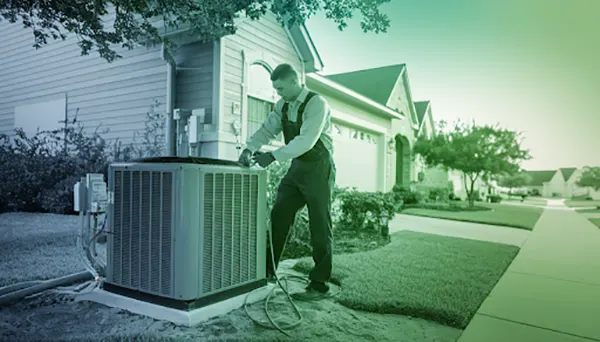
In a picturesque Texas neighborhood, a skilled HVAC technician in a professional uniform diligently maintains a central HVAC unit outside a suburban home, set against a backdrop of vibrant greenery and a clear blue sky, evoking a sense of reliability, expertise, and the brand’s commitment to high-quality service and home comfort.
You don’t require fancy systems to maintain healthy finances, just the right tools and habits can do all the work –
- Accounting Software – Platforms like QuickBooks, Xero and Zoho Books automate invoicing, payroll and cash flow tracking.
- Calendar Routine – Set calendar reminders for monthly financial reviews, bill payments and more.
- Dashboard Monitoring – Have a financial dashboard that updates automatically for visibility of trends.
The main goal isn’t complexity – it’s consistency.
Building a Routine for Long-Term Financial Health
A routine helps to turn financial maintenance into a habit, rather than a chore. Here are simple workflow you can adopt –
Weekly :
- Made up all transactions
- Follow up on invoices
Monthly :
- Review vash flow
- Compare budget vs actual
- Reconcile accounts
Quarterly :
- Review profit & loss and balance sheet
- Forecast next quarter’s cash flow
- Benchmark against past performance
Over time, this routine will prepare you for growth and downturns alike.
Conclusion
Your business finances are like a garden – neglected weeds eventually take over, but nurtured soil and regular watering produce better crops. Setting a schedule for financial maintenance – you spot issues early, make required decisions and your business continues to prosper.
Prevention costs less than a cure – and in business finances, it also saves your time, reduces stress and boosts strategic advantage.
Author - Akachi Kalu

(Accounting Expert & Content Writer)
Related Posts