It is a system that allows businesses to manage and monitor who can access specific areas within a facility, using centralized controls and real-time tracking.
Updated May 1, 2026
How Access Control Systems Help Prevent Financial Losses
Protecting your business from damage and theft is very important, even if you run a small shop.
Around 80% small businesses have experienced financial loss, and these damages in businesses rarely happen overnight. They build slowly through small, unnoticed security gaps.
The scale of the problem is significant. Research shows that internal incidents contribute heavily to financial loss, with employee theft alone linked to nearly 30% of business failures.
The challenge is not the lack of security tools, but the reliance on outdated ones.
Traditional systems can restrict entry, but they don’t provide visibility. They cannot detect unusual behavior or respond in real time. As businesses grow, these limitations become costly.
Modern access control management systems solve this by helping businesses monitor and optimize access that directly reduces financial risk.
Let’s look at how this actually works in real-world business environments.
KEY TAKEAWAYS
- Most businesses are experiencing financial losses because they overlook small security gaps.
- Modern access control management systems help businesses in managing and controlling data access more effectively.
- Traditional systems take time to detect security issues, while modern systems detect faster and respond to them faster.
- Modern access control systems give access to users based on their roles, which prevents data leaks and financial losses.
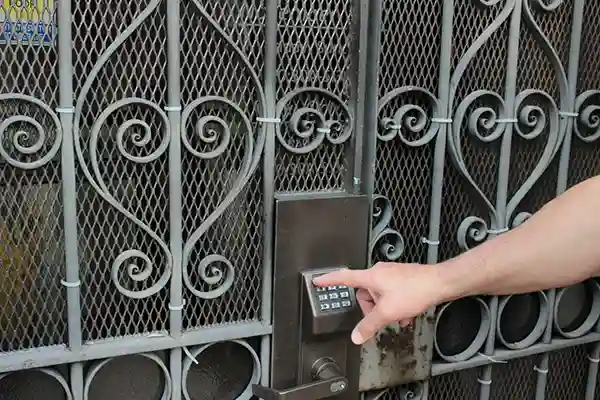
Lack of Visibility Is One of the Biggest Hidden Costs
One of the most common reasons businesses lose money is not because of a major breach, but because they lack visibility into daily operations.
When access is managed manually or through disconnected systems, it becomes difficult to answer basic questions. Who entered a restricted area? When did they enter? Was that access expected or unusual?
Without clear answers, small issues go unnoticed.
An effective access control management system solves this by creating a centralized view of all access activity. Instead of relying on scattered logs or manual tracking, businesses can monitor entry events in real time and maintain a complete record of who accessed which areas and when.
This is where solutions like Coram play a practical role. Coram’s access control management system allows businesses to manage doors, users, and permissions through a centralized cloud-based interface while also monitoring entry events across locations. Because it integrates with existing infrastructure, companies can upgrade their visibility without replacing everything. This level of insight helps teams quickly identify irregular access patterns and respond before they turn into financial losses.
When visibility improves, decision-making improves. And when businesses can see what is happening clearly, they can prevent problems instead of reacting to them.
Pro Tip
To prevent financial losses, businesses should regularly check their data using data-driven audits and monitor data access.
Unauthorized Access Often Leads to Direct Financial Loss

Unauthorized access is one of the most hidden but direct ways businesses lose money.
This does not always mean an external intruder. In many cases, it involves internal misuse. Employees accessing sensitive data, entering restricted storage areas, or using credentials beyond their role can create serious financial and legal risks.
Traditional systems struggle here because they rely on static permissions. Once access is granted, it often remains unchanged unless someone manually updates it. This creates gaps that can be overlooked if not noticed.
Modern access control systems introduce a more dynamic approach.
They allow businesses to assign access based on roles, time, and location, and update permissions instantly when roles change. For example, a finance team member can be given access only to specific areas during working hours, while contractors can receive temporary permissions that expire automatically.
This reduces the chances of unnecessary or excessive access, which is a common source of financial risk.
Over time, tighter control over who can access what directly translates into fewer incidents, fewer losses, and stronger protection of sensitive assets.
Poor Access Management Increases the Risk of Insider Threats
Insider threats are one of the most underestimated risks in any organization.
Unlike external threats, insiders already have some level of trust and access. This makes their actions harder to detect and more damaging when something goes wrong.
Financial losses from insider activity can come in many forms. It could be data leaks, misuse of company resources, or unauthorized access to financial systems. In many cases, these incidents happen because access permissions are too broad or not updated regularly.
An access control management system helps reduce this risk by enforcing structured access policies.
Instead of giving blanket access, businesses can define exactly who can access specific areas and under what conditions. More importantly, they can review and adjust these permissions continuously as roles change.
This creates a controlled environment where access is aligned with responsibility.
The result is not just better security, but a significant reduction in the kind of internal risks that often go unnoticed until it is too late.
Faster Incident Detection Prevents Escalation
One of the biggest differences between traditional systems and modern solutions is how quickly they detect problems.
In older setups, incidents are often discovered after they occur. Someone notices missing inventory, unusual activity, or a discrepancy in records, and then begins an investigation.
By that point, the financial impact has already happened.
With modern access control systems, detection becomes proactive.
Real-time monitoring allows businesses to identify unusual activity as it happens. For instance, if someone tries to access a restricted area outside of normal hours or attempts multiple entries across locations, the system can flag it immediately.
This early detection makes a major difference.
Instead of investigating losses after the fact, businesses can intervene early, stop potential issues, and minimize damage. Over time, this ability to respond quickly reduces both the frequency and severity of financial losses.
Operational Inefficiencies Also Lead to Financial Loss
Not all financial loss comes from theft or security breaches. A significant portion of financial loss comes from inefficiencies.
A manual access management system creates delays, errors, and unnecessary administrative work. Employees may waste time waiting for access approvals, while operations teams spend hours managing permissions and resolving issues.
These inefficiencies add up.
A centralized access control system reduces this burden by automating key processes. It allows access to be granted instantly, updated in real time, and revoked without manual intervention. This not only improves security but also streamlines operations.
When employees can move freely within their authorized areas, and teams do not have to deal with constant access-related issues, productivity improves. Higher productivity directly adds financial benefits to the business.
Compliance Failures Can Be Expensive
Compliance is a major concern, especially for businesses in finance, healthcare, or regulated industries.
Failing to control access to sensitive areas or data can lead to heavy penalties, legal issues, and reputational damage. In many cases, the cost of non-compliance is far higher than the cost of implementing proper systems.
Access control systems help businesses stay compliant by maintaining detailed records of access activity.
These records can be used for audits, investigations, and reporting. More importantly, they ensure that only authorized individuals can access sensitive areas, which is a key requirement for many regulations.
By improving accountability and documentation, businesses reduce the risk of compliance-related financial losses.
Conclusion
Financial losses in businesses are often the result of small, preventable issues that go unnoticed over time.
Unauthorized access, poor visibility, insider risks, and operational inefficiencies all contribute to this problem. Traditional systems are not equipped to handle these challenges, especially as businesses grow.
A modern access control management system changes this by providing visibility, control, and real-time insights into how access is managed. It does not just protect doors. It protects assets, data, and operations. And in today’s business environment, that level of protection is not optional.
Author - Akachi Kalu

(Accounting Expert & Content Writer)
Table of Contents
- Lack of Visibility Is One of the Biggest Hidden Costs
- Unauthorized Access Often Leads to Direct Financial Loss
- Poor Access Management Increases the Risk of Insider Threats
- Faster Incident Detection Prevents Escalation
- Operational Inefficiencies Also Lead to Financial Loss
- Compliance Failures Can Be Expensive
- Conclusion
Related Posts