
A payroll card is a prepaid card onto which employers load employees’ salaries. The employees can easily use it to pay bills, deposit money in bank accounts, and shop.
Updated Jan 14, 2026
Payroll Card: What It Is, How It Works, Benefits, and Safety Explained
As the world has now moved to a digital-first workplace, the way salaries are credited to employees has also evolved. For the employees who don’t have access to personal bank accounts, payroll cards have simplified accessing their hard-earned money.
Payroll debit cards automatically top up after payment cycles with wages and offer instant withdrawals at ATMs and seamless distribution opportunities to employers. In this blog, we will deep dive into payroll cards for employees, their functionalities, and safety.
So, read ahead to understand how it works and if it is a suitable option for you!
What is a Payroll Card?
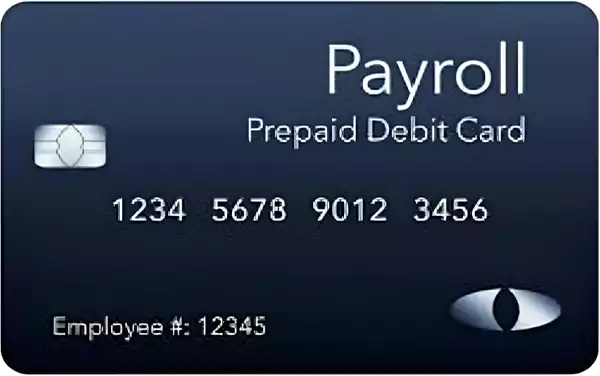
A payroll card refers to a kind of prepaid debit card that employers electronically make payments to the employees with. At the end of every pay period, the employer swipes the net pay of the employee onto the card rather than giving him or her a paper check or filling a bank account. This method works alongside modern payroll services used by businesses to streamline employee payments.
Please note that the pay card:
- Is not a credit card.
- Don’t require a bank account.
- Can only be used on the available balance.
- Is usually issued by the payroll providers or banks.
The majority of payroll cards are based on one of the largest payment systems, i.e., Visa, Mastercard, or Discover, which means that employees can use them virtually anywhere where debit cards are accepted.
How do Payroll Cards Work?
The pay card system can be easily integrated with the current payroll procedures. Here is how the payroll cards work:
Step 1: Select a Payroll Card Provider by an Employer
The employer, in collaboration with the card company or financial institution, provides the payroll cards. In many organisations, this process is part of broader accounting services that handle employee compensation.
Step 2: Employee Enrollment
The employees are notified of the payroll card options and are free to choose their card type.
Step 3: Card Issuance
Every registered employee is issued their own paycard that normally contains:
- A unique card number
- A PIN
- Online account access
Step 4: Wage Loading
The salaries of the employees are credited on the payday electronically.
Step 5: Access to the Funds
Once the salaries are credited, the employees can withdraw cash at the ATMs, shop in-store or online with the card, pay bills, and deposit money in their bank accounts. This integrates seamlessly with modern accounts payable services used by employers.
What are the Different Types of Payroll Cards?
The employers generally give a choice to the employees to choose the types of cards they want. Therefore, it is important to understand each type to make the right choice, i.e., reloadable, single-use, and hybrid.
- Reloadable Payroll Cards: These are the most common type of payroll card. The salaries get automatically reloaded at each pay period.
- Single-Use Payroll Cards: These cards are commonly used in one-time payments, bonuses, or when paying the final check to the employee.
- Hybrid Payroll Cards: These payroll cards offer integrated services with financial wellness apps and budgeting apps.
Payroll Cards vs Other Methods
Payroll cards are becoming more and more popular with the digitalized world because of the convenience they offer. You can simply take your card everywhere you go, swipe it, and the bill is paid.
We have written about how it compares with other salary methods here:
Payroll Card vs Direct Deposit
Direct deposit requires employees to open a bank account, whereas payroll cards do not require that. Unbanked workers should be given these cards, whereas direct deposit should be given to those with access to conventional banking.
Payroll Card vs Paper Checks
Checks done by paper are slower, more costly, and can easily be lost or stolen. Payroll cards are cost-effective, as they remove the printing and mailing expenses, as well as providing quicker access to payment, like salaries and hourly.
Payroll Card vs Digital Wallets
Digital wallets require the use of smartphones and the internet, whereas payroll cards allow digital and physical access to wages. Digital solutions like fintechasia.net are increasing in popularity, but payroll cards still fill an important gap..
Benefits of Payroll Card to Employers
Pay cards for employers are truly a game-changer, as they save a lot of time in manually processing and crediting salaries in each bank account after checking the details correctly. Not just that, here are more benefits that these cards offer to the employers.
- Reduce the Cost of Payroll Processing: Payroll cards save on the costs involved in printing payslips, distribution, and reissuing paper checks, much like outsourcing accounts receivable services helps reduce workload in finance departments.
- Faster Payroll Cycles: As crediting salaries to the paycard just requires electronic loading of money like a digital transaction, payroll cycles are much faster.
- Streamlined Administration: The finance department is able to handle the work pretty well with reduced paperwork and lost checks and simple reconciliation.
- Better Workforce Availability: Payroll cards enable the employer to pay workers who are not eligible or who have no faith in conventional banking.
Pros and Cons of Payroll Cards for Employees
A pay card for employees may have a great influence on the way employees receive and use their wages. Although convenient and financially accessible, they are also associated with some limitations, like additional fees, limited free cash withdrawal, and less flexibility as a bank account. Knowing both the positives and negatives will enable the employees to make wise decisions.
What Things Must I Know About Payroll Cards?
Employers and employees must be aware of some important factors before selecting or purchasing a payroll card.
- Payroll Cards are Optional: Employers are not in a position to make employees use payroll cards against their will. It is mandatory for employers to offer alternative payment options, especially in cases where the paycard faces some issues.
- Fees Vary Depending on Card Provider: Not all payroll cards are the same. The ways of structuring fees vary widely, and it is worth examining disclosures just like when choosing between tax outsourcing and internal tax management.
- Funds can be Reloaded Automatically: Payroll cards can be reloaded, which means the salaries can be deposited on the same card at the end of the pay cycle.
- Payroll Cards are not Credit Cards: Workers have no chance to borrow, charge interest, or use credit since they can only withdraw money that is already available on the card.
- Limited Location of Usage: The payroll ATM access, maximum withdrawal limit, and merchant acceptance may be different according to the country or region.
Are Payroll Cards Safe and Secure?
Yes, these cards are not likely to be unsafe or insecure, provided that they are issued by respectable providers and they are used in a sound manner.
These are a few characteristics that make payroll cards safe:
- Strong Security Features: Payroll debit cards have PIN protection, encryption, and monitoring of transactions like traditional debit cards.
- Protection against Fraud and Limits of Liability: The majority of payroll cards come with a zero-liability policy, which implies that the employee will not be charged with unauthorized transactions, provided that he/she reports them in time.
- FDIC Insurance: Payroll-based money is generally deposited with banking partners that are FDIC insured to guarantee that the money is not lost in case of failure, similar to protections you’d expect when filing tax return services.
- Card Protection: Employees get the option to block cards and report threats and demand a replacement card without losing the hard-earned money.
- Digital Security Controls: The applications on the mobile devices enable us to lock cards, receive alerts, and track activity.
Even though payroll cards are built with utmost security, it is important to keep PINs confidential, check bank statements regularly, and report immediately in case of suspicious activity.
Wrapping Up!
Payroll cards provide a convenient, up-to-date method by which employees can get and handle wages, especially for employees who do not have access to a traditional banking system. These are quicker, more secure, and more convenient to use on a daily basis, and less reliant on paper checks or cash.
The payroll cards are not a panacea. These have fee pile-ups, limited withdrawal options, and fewer tools to navigate the functionality.
To sum it up, payroll cards can be an effective alternative that promotes financial inclusion and operational efficiency as long as they are selected carefully and used appropriately. Explore related topics like management accounts services or VAT return services for broader financial insights.
Author - Shourya Kumar

Finance Writer
Table of Contents
Related Posts