Ans: Great packaging impacts customer perception, minimizes expenses spent on materials, and improves the overall protection of the package during shipment.
Updated Jul 22, 2026
Ways to Cut Packaging Costs Without Quality Loss
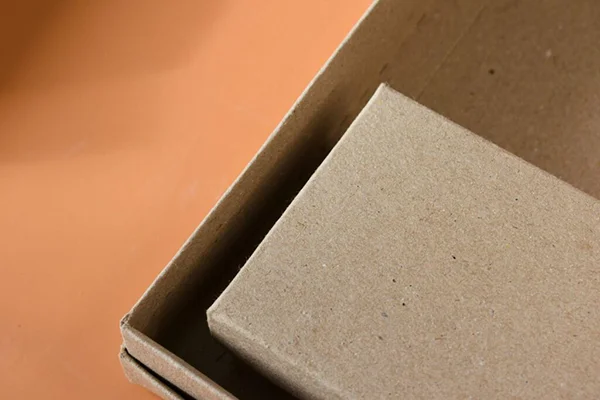
Packaging is one of those business costs that tends to accumulate quietly. Each decision may seem small at first, but multiplied across thousands of shipments a year, those things add up significantly and have a real impact on the firm.
The good news is that packaging costs can be reduced without reducing the product’s protection or affecting customer experience. Whether you choose commerce packaging for a new product or modify an existing design, these issues can be fixed with proper strategies.
This guide applies across all product types, shipment volumes, and business sizes, helping you to leverage volume and choose the right materials for your product.
Key Takeaways
- A box that is thirty percent larger than necessary can increase shipping costs by more than the packaging material cost itself
- Corrugated cardboard is the workhorse of protective packaging and comes in a range of flute sizes and board weights
- A supplier providing your boxes, mailers, tape, and labels has a stronger incentive to compete on price and service than one supplying only a single component
- If certain products are consistently arriving damaged, the packaging for those items needs reassessment, regardless of what it costs
Right-Size Your Packaging First
The most common and costly packaging mistake is using boxes or bags that are significantly larger than the product requires.
Oversized packaging costs more in three ways: the packaging material itself is larger and therefore more expensive, the void fill required to prevent the product from moving around adds cost and weight, and dimensional weight pricing by carriers means you pay for the cubic space the package occupies, not just its actual weight.
A box that is thirty percent larger than necessary can increase shipping costs by more than the packaging material cost itself.
The solution is a systematic packaging audit. Measure your most shipped product configurations and select the smallest box or mailer that still provides enough protection with minimal sacrifices.
For businesses shipping a wide variety of product sizes, this usually means stocking two or three box sizes rather than fixating on a single size for everything.
The upfront analysis takes a day; the savings across a year of shipments are consistent and compounding.
Flat-rate shipping boxes from carriers are worth reconsidering in this context. They aren’t always cost-effective, and the convenience offered with a uniform price can mostly hide the fact that right-sized packaging and standard pricing may cost less for lighter or dense shipments.
Run this comparison with your actual company shipping data before considering a flat rate as your primary option to decrease expenses.
Choose Materials for Their Actual Function

Premium packaging materials are often used where functional materials would perform equally well. The place to invest in quality is where it is visible and experienced by the customer: the outer box, the tissue or wrapping paper, the mailer bag. The place to optimise is where performance is the only criterion: the internal padding, the sealing tape, the shipper box that the customer never sees.
Corrugated cardboard is the workhorse of protective packaging and comes in a range of flute sizes and board weights. Single-wall corrugated in a lower board weight handles most standard e-commerce shipments adequately. Double-wall is worth the premium for fragile or heavy items, but is unnecessary for products that do not require it. Using a double-wall across the board because it feels safer is a common and expensive habit.
Void fill choices have a significant cost spread. Loose-fill packing peanuts are cheap to buy but slow to apply and variable in effectiveness. Paper crumple systems are faster, cleaner, and increasingly preferred by customers on environmental grounds. Air pillows are fast and efficient for lighter items.
For fragile goods, custom-formed foam or paper pulp inserts cost more upfront but often reduce damage claims enough to pay for themselves. Match that gap to the fragility of the product and the speed of your pack line rather than reverting back to whatever is cheapest per unit.
The Australian Packaging Covenant Organisation’s packaging reduction and design guidelines provide an extensive framework for businesses that are looking to reduce packaging material without reducing protection.
It also includes guidance on right-sizing, material selection, and considerations on recyclability that consistently impact customer perception and regulatory compliance.
Leverage Volume and Supplier Relationships
Packaging is a commodity category where volume drives price more than almost any other factor. A business buying boxes in quantities of 500 will pay significantly more per unit than one buying the same box in quantities of 5,000.
The question is whether the storage space and cash flow implications of larger orders are worth the per-unit saving, and for most businesses with predictable shipment volumes, the answer is yes.
Consolidating packaging purchases through fewer suppliers rather than buying different components from many sources also creates leverage.
A supplier providing your boxes, mailers, tape, and labels has a stronger incentive to compete on price and service than one supplying only a single component.
Fun Fact
Shipping carriers charge by the space a package takes up, not by its actual weight. Using an oversized box can drastically impact shipping fees due to dimensional weight surcharges.
An annual packaging review conversation with a primary supplier, presenting your volume data and asking for pricing optimised to that volume, is a straightforward negotiation that most businesses do not bother to have.
Custom-printed packaging is often dismissed as a luxury, but the economics are worth examining at scale. The cost premium for custom print narrows significantly at higher volumes, and branded packaging reduces the need for additional inserts and tissue that many businesses use to compensate for plain packaging.
If you are already spending on inserts and premium tissue to make a plain box feel branded, custom printing at volume may cost the same or less and produce a better result.
Reduce Damage Costs to Reduce Real Packaging Costs
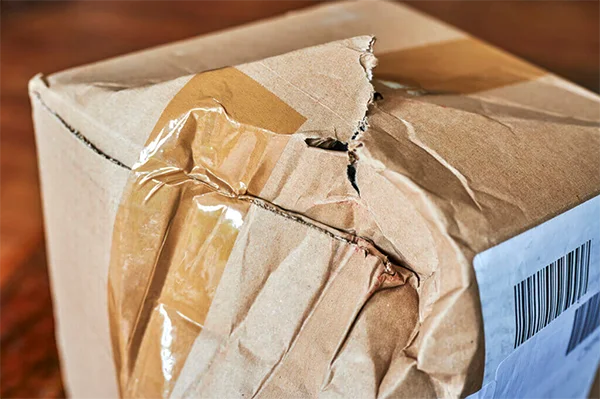
The cost of packaging is not just what you pay for the materials. It also includes the expenses faced on damaged product returns, replacement shipments, customer service timeline, and the damage to the reputation from a customer who received something broken.
Track your damage rate by product category and shipping zone.
If certain products are consistently arriving damaged, the packaging for those items needs reassessment, regardless of what it costs.
The question to ask is not “what is the cheapest packaging for this product?” but “what is the cheapest packaging that delivers this product undamaged?” For fragile, high-value, or perishable items, those are very different questions with very different answers.
Temperature-sensitive products, particularly food and health goods, require packaging that accounts for the thermal conditions of the distribution network. Insulated liners, gel packs, and appropriate outer packaging all add cost, but the alternative, spoiled product and dissatisfied customers, adds more. Build the protective cost into the product price rather than trying to reduce it below what the supply chain requires.
The Review Worth Doing
Most businesses that examine their packaging spend carefully find that ten to twenty percent of that cost can be reduced without any negative effect on product protection or customer experience.
The reductions come from right-sizing, material matching, volume consolidation, supplier negotiation, and damage reduction working together rather than from any single dramatic change.
The businesses that achieve these savings successfully are precisely the ones that treat packaging as a system to optimize rather than a cost to accept, and that approach begins with a comprehensive audit of what is being spent, where, and why.
Author - Dushyant K

Finance Writer
Related Posts