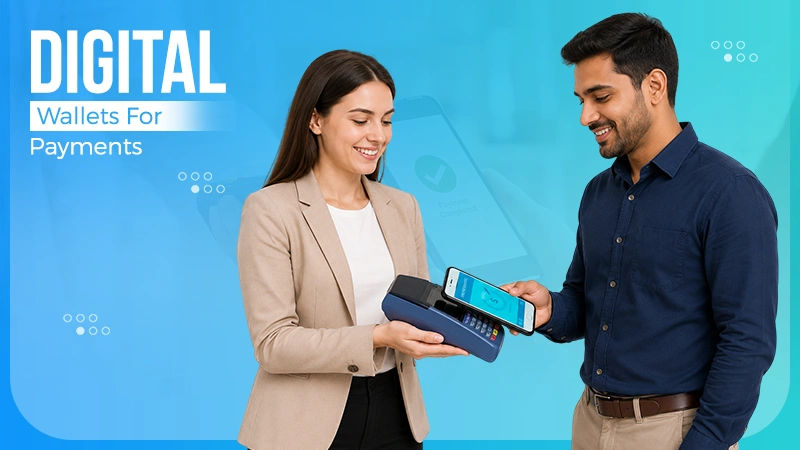
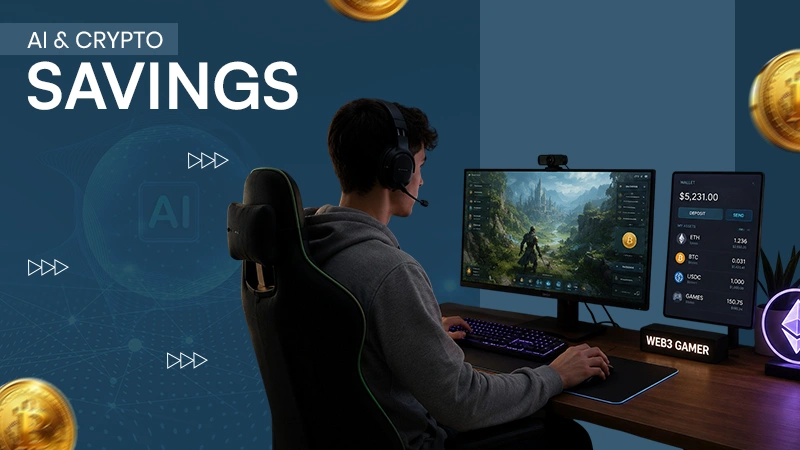
AI helps players monitor spending, discover discounts, receive personalized recommendations, and choose payment methods that offer better value.
Updated Jul 7, 2026
How Smart Tech Is Rewriting the Rules of Digital Money for Gamers
“The advance of technology is based on making it fit in so that you don’t really even notice it.” — Bill Gates (Microsoft Co-founder)
Digital money in games has now reached that stage. Buying games, topping up wallets, and managing in-game purchases- each one of these required a different payment method and had frustrating regional restrictions and delays. Today, artificial intelligence (AI) and Web3 technologies are simplifying the experience by making virtual money faster, smarter, and easier to control.
There are blockchain-enabled wallets and AI-powered spending insights. Yahoo Finance says the gaming market will reach $649.51 billion by 2032. As the sector is growing rapidly, it’ll become even more flexible and easier for gamers to manage their gaming budgets. Tools like the Revolut gift card on Eneba are already here to expand these options, giving players a convenient way to fund digital wallets while maintaining better control over their spending.
KEY TAKEAWAYS
- AI helps gamers manage spending through personalized recommendations, budgeting tools, and deal alerts.
- Web3 technologies are introducing more flexible digital wallets and new ways to manage virtual assets.
- Digital marketplaces provide competitive pricing, transparent regional information, and multiple payment options.
- Prepaid solutions like gift cards give players greater control over gaming expenses while simplifying virtual purchases.
Where Can I Buy Digital Games? Here’s What Matters Most
Gamers buy video games from the official studio websites or digital marketplaces. Marketplaces such as Eneba have become popular for game keys and gift cards because they often provide:
- Competitive prices
- Transparent regional availability
- A wider range of payment options
This helps buyers avoid surprises and stay within their financial plan.
The value of AI in this mix can’t be overstated. Recommendation algorithms are learning not just which games are popular, but helping buyers identify which payment methods or digital currencies give the best value. Web3 also lets players collect virtual rewards or currency cross-games, often skipping the traditional fees and middlemen that slow things down. This is shaping a marketplace where spending is smarter, not just faster.
The New Age of In-Game Budgets and Flexibility
Managing spending across different games and platforms gets quite confusing and difficult real quick. Especially since microtransactions entered the scene. Without a clear overview of purchases, it’s easy for small transactions to add up over time.
Now, AI-powered budget tools and Web3-based currencies put gamers in the driver’s seat. A prepaid card or a multi-use product like the Revolut gift card functions much like a smart spending limit, letting users pre-load funds, pick their platform, and track every digital purchase in real time.
Encrypted wallets and blockchain-based account systems offer unmatched transparency, making it difficult to overspend by accident. Instead of relying on memory or second-guessing old receipts, players see current balances and purchase histories at a glance, often across multiple gaming ecosystems.
SURPRISING STAT
According to Business Standard, games generated $81.8 billion of the total in-app purchases in 2025.
Futureproofing Digital Spending for Gamers
Virtual payments in gaming are evolving beyond simple transactions. Instant digital transfers and personalized alerts about game deals are only the beginning. What’s ahead for players is increasingly shaped by AI and Web3. AI is making purchases more personalized through tailored deal alerts and spending insights, while Web3 technologies continue to explore new ways for players to own and transfer digital assets.
The rise of flexible virtual money tools means future gamers will spend less time troubleshooting payment issues and more time enjoying new releases. Competitive digital gift cards and multi-platform credit options give players the advantage, no longer being locked out by regional restrictions or clunky payment barriers.
For those seeking top value and flexibility, virtual marketplaces like Eneba offering deals on all things digital are a smart destination. Technology is still advancing rapidly. So, how and where gamers manage their virtual finances may change further, but the trend toward smarter, safer spending is clearly here to stay.
Conclusion
AI and Web3 are reshaping how gamers interact with digital purchases: be it paying for a game or feature or managing their digital wallets. From intelligent budgeting features to flexible payment methods and blockchain-powered wallets, these technologies are making virtual spending more transparent and convenient. As gaming ecosystems continue to evolve, players can look forward to payment experiences that are not only faster but also better suited to how they play and spend.
Author - Veeramanchineni Lalitha

Masters of Business Administration from St Joseph's Institute of Management (Banglore)
Related Posts